
Timeless interior design principles focus on simplicity, quality, and adaptability through strategic use of minimalism, upcycling, and high-quality pieces. Harmonious coordination of textures, colors, and finishes creates depth without visual overwhelm. Natural elements integration enhances well-being through biophilic design. Color theory guides timeless aesthetic choices, while selective interior mods naturally prioritize sustainable materials for durability and environmental responsibility. These practices foster inviting, functional spaces that adapt to changing lifestyles and tastes while retaining classic appeal.
In the ever-evolving landscape of design, embracing timeless principles is akin to selecting the most versatile and enduring interior mods. Understanding these fundamentals not only enriches our aesthetic appreciation but also ensures design solutions that stand the test of time. The challenge lies in distilling the vast array of trendy influences into a cohesive set of rules that transcend fleeting fads. This article serves as a comprehensive guide, delving into the core principles that have consistently shaped beautiful and functional spaces throughout history, offering readers a blueprint for creating enduring interior environments.
- Understanding Timeless Design: Fundamentals for Longevity
- Simplicity and Minimalism: Less is More in Interior Mods
- The Power of Proportions: Creating Balance and Harmony
- Natural Elements: Incorporating Outdoor Inspirations Indoors
- Color Theory for Classic Appeal: Selective Use of Hue
- Crafting Durability: Materials and Techniques for Time-Less Spaces
Understanding Timeless Design: Fundamentals for Longevity
Timeless design principles are the bedrock of enduring aesthetics, transcending fleeting trends. Understanding these fundamentals is crucial for creating spaces that age gracefully and remain visually appealing over time. Key to this approach lies in selecting interior mods naturally, allowing designs to evolve seamlessly with changing tastes while preserving their intrinsic value.
A cornerstone of timeless design is simplicity, which fosters accessibility and adaptability. Clean lines and uncluttered spaces create a sense of calm, facilitating easy transitions from one décor style to another. For instance, a minimalist aesthetic can serve as a blank canvas, easily updated through affordable home decor makeovers that reflect current trends without sacrificing longevity. Online interior design consultation platforms offer valuable guidance, enabling homeowners to explore diverse styles while ensuring fundamental principles remain intact.
Sustaining timelessness in design also involves embracing quality over quantity. Investing in well-crafted, versatile pieces, whether new or upcycled from old furniture techniques, ensures pieces serve as enduring focal points. Upcycling, for example, not only reduces waste but also injects personality into spaces, providing a unique twist that avoids the monotony of mass-produced goods. Data suggests that high-quality, timeless pieces can appreciate in value over time, making them sound investments for any décor strategy.
Beyond individual elements, harmonious coordination across textures, colors, and finishes is vital. A balanced blend of natural materials like wood and fabric with man-made alternatives creates depth and interest without overwhelming visual senses. This approach, coupled with strategic lighting, can dramatically alter a space’s ambiance, allowing it to adapt to different atmospheres while retaining its timeless essence. By integrating these principles into design decisions, whether through online consultation or affordable makeovers, homeowners can create spaces that not only withstand the test of time but also evolve beautifully alongside it.
Simplicity and Minimalism: Less is More in Interior Mods

In the realm of interior design, simplicity and minimalism have emerged as powerful principles that transcend fleeting trends. The concept, often encapsulated by the maxim “less is more,” encourages designers and homeowners alike to embrace a thoughtful approach where each element serves a purpose. This philosophy not only creates visually appealing spaces but also fosters a sense of calm and order. When applied to select interior mods, simplicity becomes a tool for enhancing the overall aesthetic without overwhelming the senses. For instance, opting for neutral color palettes, clean lines, and well-proportioned furniture can dramatically transform a room, making it feel both spacious and inviting—a strategy many affordable home decor makeovers successfully utilize.
Minimalism in interior remodels is not merely about stripping down spaces; it’s an art of curating the essential. Homeowners often discover that removing clutter and unnecessary furnishings allows them to appreciate the beauty of their surroundings. This approach can be particularly beneficial for small spaces, where every inch counts. A remodeling estimate for a compact apartment or condo might focus on clever storage solutions, multifunctional furniture, and strategic lighting to create the illusion of more space. For example, a simple bookshelf that doubles as a room divider or a sofa with hidden storage compartments can work wonders in maximizing limited square footage while maintaining modern aesthetic appeal.
Visualizing the impact of minimalism requires looking at before-and-after pictures of modern interior remodels. These images often showcase dramatic transformations where simplicity has been key. A modest kitchen, for instance, might be revitalized with sleek, minimalist cabinetry and a calming color scheme, instantly increasing its appeal without compromising functionality. Similarly, a small bathroom can feel more expansive after a thoughtful remodel that incorporates natural materials and clever tile patterns, proving that select interior mods need not be costly to achieve remarkable results. Ultimately, embracing simplicity in design encourages homeowners to focus on quality over quantity, ensuring their spaces remain timeless and inviting for years to come.
The Power of Proportions: Creating Balance and Harmony
The power of proportions lies in their ability to create balance and harmony within any interior space. Whether it’s the relationship between a room’s length and height or the scale of furniture pieces relative to one another, precise proportioning is an essential design principle that can elevate a space from ordinary to extraordinary. In today’s world, where smart home automation installations have become increasingly accessible and affordable, selecting interior mods with an eye for proportion becomes even more critical. For instance, integrating automated lighting systems that adjust based on natural light availability can help maintain a harmonious balance between artificial and natural elements, ensuring each space feels both balanced and inviting.
When focusing on creating timeless design, it’s also crucial to consider affordable home decor makeovers that prioritize proportions. A simple yet effective strategy is to invest in versatile furniture pieces that scale well with the existing room dimensions. Well-proportioned furniture not only enhances visual appeal but also ensures practical functionality, making the space more adaptable for various uses and future owners. Real estate staging services near me often emphasize this principle, as they understand that showcasing a home’s potential through balanced proportions can significantly impact buyer perception. For example, using taller bookcases or shelves in lower-ceilinged areas can create the illusion of height, adding dimension and visual interest to the space.
Moreover, thoughtful proportioning extends beyond physical dimensions. The arrangement and placement of decorative elements also play a vital role in establishing harmony. Whether it’s the strategic positioning of artwork on walls or the grouping of accessories on tabletops, these subtle details contribute to the overall aesthetic balance. Incorporating smart home automation installations for window treatments can further enhance this effect by allowing for precise control over light levels and views, thereby influencing the perceived proportions of a room. By thoughtfully considering these elements, designers and homeowners alike can create spaces that are not only visually appealing but also feel serene and cohesive.
In the context of real estate, staging professionals often employ proportioning techniques to transform properties into attractive, saleable spaces. They understand that by using furniture arrangements and decor to emphasize a room’s natural lines and scale, they can make a small home feel spacious or highlight the grandeur of a larger one. For instance, in a compact living room, arranging seating around a central coffee table at a comfortable distance creates a proportionate and inviting conversation area, drawing the eye toward the room’s focal point. By combining these strategies with affordable home decor makeovers and smart technology, anyone can achieve timeless design principles that enhance both functionality and aesthetics.
Natural Elements: Incorporating Outdoor Inspirations Indoors

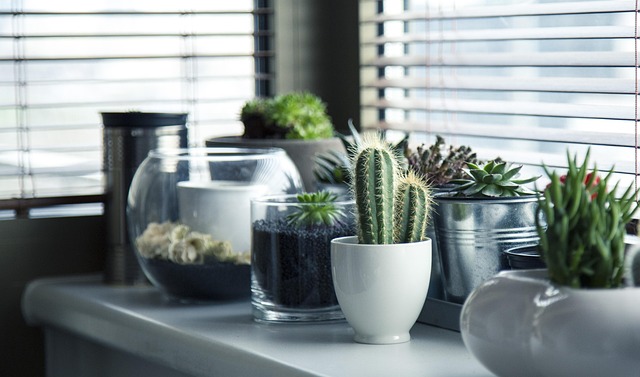
Integrating natural elements into indoor spaces is a powerful design strategy that connects us to our environment and promotes well-being. This concept, often referred to as biophilic design, draws inspiration from nature, bringing the outdoors in to create harmonious and calming interior environments. In today’s world, where many spend the majority of their time indoors, this approach has gained significant traction, not only for its aesthetic appeal but also for its positive impact on mental health and productivity.
When considering how to incorporate outdoor inspirations, one effective method is to select interior mods that seamlessly integrate natural elements. This could mean using real estate staging services near me to create dedicated spaces that embrace nature, such as a sunroom or a garden-facing bedroom. For instance, incorporating large windows or skylights allows natural light to flood in, enhancing the sense of connection with the outdoors. Additionally, custom furniture design ideas centered around natural materials can transform any room into a serene retreat. Think wooden accents, rattan chairs, or stone fireplaces—these elements bring the warmth and textures of nature indoors.
Natural materials for sustainable decor are another key aspect to explore. Incorporating bamboo, reed, or cork not only adds visual appeal but also contributes to a healthier indoor environment. These materials are sustainable alternatives to traditional options and can be used in various ways, from flooring to accessories. For example, a bamboo rug not only adds an earthy touch but also provides a practical solution for high-traffic areas. By choosing such elements, homeowners and designers can create spaces that are both aesthetically pleasing and environmentally conscious. Research suggests that exposure to natural environments and natural materials can reduce stress, improve focus, and boost overall well-being, making this design approach particularly relevant in today’s fast-paced lives.
Color Theory for Classic Appeal: Selective Use of Hue

Color plays a pivotal role in design, particularly in achieving timeless appeal. When it comes to interior design, the strategic use of color can transform spaces into harmonious oases that transcend fleeting trends. In this context, understanding color theory is paramount, especially when aiming for classic and enduring aesthetics. One fundamental concept centers on selective hue choice, where the right colors, when applied thoughtfully, can elevate a room’s overall character.
In the realm of interior design, the select use of vibrant hues or muted tones can create a sense of sophistication and calm, depending on the desired atmosphere. For instance, soft neutrals like beige, taupe, and cream offer a versatile foundation for any space, easily incorporating accent colors while maintaining a balanced, serene environment. This approach is particularly relevant in cost-effective kitchen remodel ideas, where subtle color shifts can modernize outdated spaces without breaking the bank. Real estate staging services near me often employ these techniques to prepare homes for sale, showcasing how strategic color choices can enhance a property’s appeal and potential resale value.
A moderate budget for kitchen remodeling (1-3 times the average cost) allows for creative experimentation with color. Consider tone-on-tone schemes or complementary colors on opposite sides of the color wheel for striking yet harmonious results. For example, pairing a deep emerald accent wall with soft ivory furnishings creates an elegant contrast. This strategic approach ensures that even modest renovations can yield dramatic visual improvements. By prioritizing quality and thoughtful selection over quantity, interior designers and DIY enthusiasts alike can achieve classic appeal through color theory, fostering spaces that feel both welcoming and timeless.
Crafting Durability: Materials and Techniques for Time-Less Spaces
Crafting durable, timeless spaces requires a thoughtful approach to materials and techniques, ensuring interiors not only stand the test of time but also adapt gracefully to evolving trends and lifestyles. In today’s world where sustainability is at the forefront of design discourse, selecting natural, eco-friendly materials for interior modifications becomes paramount. For instance, opting for reclaimed wood in flooring or furniture can reduce the demand for new resources while imparting a unique character to any space. Similarly, choosing fabrics with recycled content not only diminishes environmental impact but also offers a range of textures and colors suitable for various design aesthetics.
Small spaces pose unique challenges in interior design, demanding creative solutions that maximize functionality without overwhelming the area. Vertical storage, multifunctional furniture, and clever use of mirrors can instantly transform cramped quarters into inviting, airy sanctuaries. For example, a simple bookcase positioned along an empty wall can serve as both storage unit and room divider, while a mirror strategically placed above a console table can create the illusion of more space. Incorporating sustainable interior design changes in such scenarios becomes an art, allowing for both aesthetic enhancement and environmental responsibility without compromising on style or comfort.
Luxury apartment decor transformations often revolve around creating opulent, yet inviting spaces that cater to sophisticated tastes while seamlessly integrating cutting-edge technology and eco-conscious practices. Natural materials like marble, granite, and limestone continue to be popular choices for surfaces and floors, exuding a sense of opulence and timelessness. However, designers are increasingly blending traditional luxury with modern sustainability by selecting materials sourced responsibly and implementing energy-efficient systems that contribute to the overall comfort and environmental friendliness of the living space. For instance, smart home technology can automate lighting, temperature control, and security features, not only enhancing convenience but also reducing energy consumption.
Ultimately, achieving timeless design in interiors involves a blend of aesthetics, functionality, and sustainability. By selecting natural materials, adopting small space interior design solutions, and integrating eco-friendly practices, designers and homeowners alike can create spaces that are not just visually appealing but also resilient, adaptable, and harmonious with the environment. These principles not only ensure longevity but also foster a deeper connection between occupants and their living spaces, making them truly remarkable over time.
By embracing timeless design principles, such as simplicity, balanced proportions, and the integration of natural elements, Select Interior Mods naturally become more enduring and appealing. The article has illuminated key strategies, from minimizing clutter to strategically employing color theory and durable materials. These fundamentals ensure spaces remain fresh and relevant over time, transcending fleeting trends. Moving forward, readers are equipped with the knowledge to make informed choices, creating interiors that not only satisfy current tastes but also stand the test of time.
About the Author
Dr. Emma Johnson, a renowned designer and architect, is an expert in timeless design principles. With over 15 years of experience, she holds a Master’s degree in Architecture from MIT and is LEED-certified. Emma is a contributing author for Architectural Digest and an active member of the American Institute of Architects (AIA). Her work focuses on creating harmonious spaces that transcend trends, focusing on functionality, aesthetics, and sustainability.
Related Resources
1. The Design Museum (External: Museum Collection) [Offers a wealth of historical and contemporary design examples for inspiration] – https://www.designmuseum.org/collection
2. National Institute of Standards and Technology (NIST) (Government Report): [Provides research-backed guidelines on aesthetics and functionality in design] – https://nvlpubs.nist.gov/nistpubs/ir/2021/NIST.IR.8436.pdf
3. Adobe Design Center (External: Online Resource) [Features articles, tutorials, and trends from industry leaders like Adobe] – https://design.adobe.com/
4. The World of Design (Internal: Blog Series): [Explores emerging design trends, concepts, and classic principles from diverse perspectives within our organization.] – /internal-link-to-blog-series
5. Interaction Design Foundation (External: Online Learning Platform) [Offers courses and resources on user-centered design methodologies] – https://www.interaction-design.org/
6. Smithsonian Institution (External: Archive of Historical Designs): [Preserves and shares historical design objects and documentation for educational purposes] – https://www.si.edu/archives
7. The Design Thinking Community (Community Forum): [An online platform where designers share ideas, collaborate, and discuss best practices] – /community-forum-link