

Sustainable interior design emphasizes environmental responsibility without compromising aesthetics or functionality. Key practices include selecting natural, locally sourced materials like bamboo and wool, upcycling vintage items, and using low-emission products. Strategic natural light and ventilation, energy-efficient lighting and appliances, and circular design principles further reduce environmental impact. By prioritizing durability, resource efficiency, and responsible sourcing, sustainable interior mods create harmonious spaces that benefit both the planet and residents. Select Interior Mods naturally to preserve the environment while enhancing living quality.
In today’s world, sustainable living is not just a trend but an imperative. The interior design industry plays a pivotal role in promoting eco-friendly practices. However, the challenge lies in balancing aesthetic appeal with environmental responsibility, especially when modifying existing spaces. This article delves into the realm of sustainable interior mods, offering practical solutions for both professionals and homeowners. We explore how Select Interior Mods naturally can transform spaces while minimizing environmental impact, ensuring a harmonious blend of style and sustainability. By the end, readers will be equipped with valuable insights to make informed choices that benefit both their living spaces and the planet.
- Understanding Sustainable Interior Design Principles
- Selecting Eco-Friendly Materials for Your Space
- Incorporating Natural Light and Ventilation Strategies
- Choosing Energy-Efficient Lighting and Appliances
- Implementing Circular Design Practices for Longevity
Understanding Sustainable Interior Design Principles

Sustainable interior design isn’t just a trend—it’s a necessary evolution in how we create living spaces. At its core, understanding and applying sustainable design principles ensures environments that are not only aesthetically pleasing but also healthy, efficient, and ecologically sound. This involves intentional choices around materials, resources, and aesthetics, with an emphasis on minimizing waste and maximizing functionality. One of the foundational aspects is selecting natural, locally sourced materials for flooring, furniture, and decor—a simple yet powerful way to reduce carbon footprints associated with manufacturing and transportation.
For instance, opting for vintage-inspired bathroom updates leverages second-hand or upcycled fixtures and tiles, lowering the demand for new resources. Similarly, artwork placement in living rooms can transform spaces while keeping waste in check; carefully selected pieces not only enhance aesthetics but also reduce the need for frequent decor changes. Natural materials like bamboo, cork, and wool are versatile and sustainable choices for decor. They not only contribute to a healthier indoor environment due to their low-emission properties but also offer unique visual appeal and texture, making spaces both inviting and eco-conscious.
Experts emphasize that sustainable design isn’t about deprivation; it’s about thoughtful selection and creativity. For example, instead of discarding old furniture, consider refinishing or repurposing it to fit modern needs. This reduces waste and can lead to unique, personalized pieces that tell a story. Data supports the positive impact: according to a study by the U.S. Green Building Council, buildings with sustainable design features have been shown to reduce water consumption by 40% and energy use by 25%. By embracing these principles, we not only contribute to environmental preservation but also create spaces that are more harmonious with nature, reflecting an authentic connection to our surroundings.
Selecting Eco-Friendly Materials for Your Space
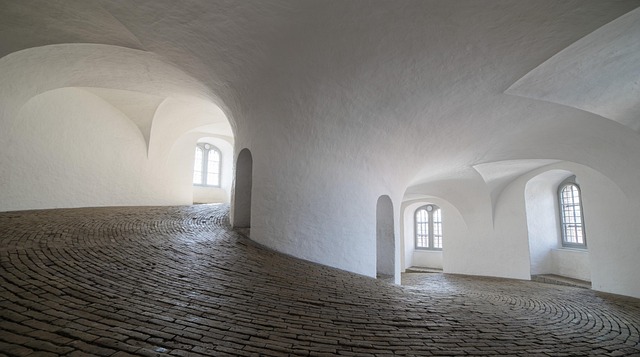
When it comes to sustainable interior modifications, selecting eco-friendly materials is a crucial step towards creating a healthier and more environmentally conscious living space. This involves making informed choices that extend beyond the aesthetics of your home; it’s about choosing products that have a minimal environmental impact while offering durability and comfort. For instance, transforming a dark basement into living space or revamping an old home office can be both aesthetically pleasing and sustainable if the right materials are chosen.
One popular eco-friendly option is natural fibers such as bamboo, hemp, or wool. These materials not only reduce carbon footprint but also bring a unique texture and warmth to your interior design. For example, a bamboo floor or hemp-based upholstery can significantly enhance the ambiance of your space while promoting sustainability. Moreover, these natural fibers are often more affordable than traditional synthetic options, making them an excellent choice for budget-conscious homeowners looking for both style and sustainability in their home office design inspiration. Data from industry reports suggest that using sustainable materials can reduce construction waste by up to 30%, contributing to a greener planet.
Recycled and reclaimed materials are another category worth exploring. These not only conserve natural resources but also add character to your space with unique patterns and histories. Consider using recycled glass for backsplashes or reclaimed wood for furniture and flooring. For instance, transforming a dark basement into a vibrant living area by incorporating recycled materials can be both an affordable home decor makeover and an environmentally responsible choice. Additionally, many manufacturers now offer certified sustainable products that meet specific environmental standards, ensuring peace of mind when making purchases.
Incorporating these eco-friendly materials requires some research and planning but offers significant long-term benefits. From selecting interior mods naturally to transforming spaces into vibrant, sustainable oases, homeowners can make conscious choices that positively impact both their lives and the planet. Remember, every small step towards sustainability counts, whether it’s in a home office design or an affordable home decor makeover.
Incorporating Natural Light and Ventilation Strategies

Incorporating natural light and ventilation strategies is a cornerstone of sustainable interior design, offering both environmental and financial benefits. By selecting interior mods that harness daylight and fresh air, homeowners can reduce their carbon footprint, lower energy bills, and enhance overall living quality. For instance, simple adjustments like adding skylights or larger windows can significantly increase natural light, thereby reducing the need for artificial lighting. This not only saves energy but also contributes to a healthier, more vibrant indoor environment.
One practical approach is to integrate smart window treatments that allow for precise control over light and heat entry. These technologies, such as motorized blinds or dual-glazed windows, can optimize comfort levels and energy efficiency. Moreover, strategic placement of plants and green walls can further enhance natural ventilation, acting as natural air filters that improve indoor air quality. For those looking to embark on a pre-owned home makeover, this presents an excellent opportunity to implement these sustainable interior design changes, as second-hand materials often have a lower environmental impact.
Redesigning the living room, a central space in many homes, offers a prime chance to incorporate these strategies. Consider a layout that maximizes natural light, perhaps by opening up the floor plan to allow for larger windows or by incorporating a sunroom. Additionally, integrating sustainable materials like bamboo or recycled wood for furniture and finishes not only adds aesthetic appeal but also aligns with the goal of reducing waste and promoting eco-friendly practices. These sustainable interior design changes not only contribute to a greener planet but also create a more beautiful, functional, and healthy living space.
Choosing Energy-Efficient Lighting and Appliances

When it comes to sustainable interior mods, one of the most impactful changes you can make is selecting energy-efficient lighting and appliances. This choice extends beyond environmental benefits; it also offers significant cost savings over time. LED bulbs, for example, use up to 80% less energy than traditional incandescent bulbs and last up to 25 times longer, reducing both your carbon footprint and utility bills. Incorporating these upgrades during a kitchen remodel or pre-owned home makeover ideas can be surprisingly straightforward. According to recent studies, replacing five-year-old appliances with Energy Star-rated models can save an average household $300 annually on energy costs.
In the quest for sustainable living, online interior design consultation has emerged as a valuable resource. Experts in this field can guide you through selecting not just any lighting or appliances but those that align with your eco-friendly goals. For instance, they might recommend smart thermostats that learn your habits and adjust settings automatically, further enhancing energy efficiency. Moreover, an online consultation can help you navigate the vast array of options available, ensuring you make informed decisions based on quality, durability, and environmental impact rather than just aesthetics.
Consider a cost-effective kitchen remodel ideas centered around energy efficiency. Replacing old refrigerators with modern models featuring double insulation and advanced cooling technologies can significantly reduce energy consumption without compromising performance. Similarly, opt for induction cooktops, which are 70% more efficient than gas stoves and come with precise temperature control, minimizing energy waste. These choices not only contribute to a greener planet but also enhance the overall efficiency of your home, making it a more comfortable and cost-saving space to live in.
Implementing Circular Design Practices for Longevity

Sustainable interior design is a holistic approach to creating beautiful, functional spaces while minimizing environmental impact. At its core, this philosophy emphasizes durability, resource efficiency, and responsible sourcing. One powerful strategy within this realm is adopting circular design practices, ensuring that products and materials are designed for longevity, repairability, and eventual recycling or reuse.
Circularity in interior design means selecting not just sustainable but also timeless and versatile pieces. For example, choosing natural materials like solid wood furniture that can be refinished or upcycled extends its lifespan significantly. This approach aligns with the growing trend of pre-owned home makeovers, where creative repurposing and selective purchasing from secondhand sources are becoming popular. Similarly, colorful home decorating inspiration drawn from nature’s palette—using earth tones, organic textures, and vibrant accents found in plants and textiles—not only reduces environmental impact but also creates a serene, harmonious ambiance.
Artwork placement in living rooms is another key consideration. Hanging or displaying locally sourced art pieces, whether original paintings or prints, adds personality while supporting local artists. This practice fosters a sense of community and connection to the region’s unique aesthetics. For instance, incorporating regional motifs or landscapes into decor can tell a story about place, making spaces more inviting and meaningful. These strategies not only promote sustainability but also contribute to a deeper emotional connection between inhabitants and their surroundings.
Implementing circular design practices requires conscious choices at every stage of interior design. Architects and designers can collaborate with manufacturers who prioritize eco-friendly materials and production methods, ensuring that the products they specify meet these criteria. By embracing select natural materials, upcycling, and supporting local artists, professionals in this field can guide clients towards homes that are not only aesthetically pleasing but also environmentally responsible, contributing to a more sustainable future for all.
By embracing sustainable interior mods, we can transform our spaces into environments that are not only aesthetically pleasing but also ecologically responsible. Key insights from this article underscore the importance of understanding design principles, selecting eco-friendly materials, optimizing natural light and ventilation, choosing energy-efficient solutions, and adopting circular design practices. Selecting Interior Mods naturally is not just a trend; it’s a necessary step towards a greener future. Implement these strategies to reduce your carbon footprint, promote longevity, and contribute to a healthier planet, one interior at a time.