

Seamless interior design transitions blend aesthetics and functionality through Select Interior Mods like natural materials (wood, bamboo, linen), modular furniture, and versatile decor. Strategic color palettes, texture combinations, and cohesive color stories create harmony. Repainting and sustainable flooring options enhance cohesiveness without breaking the bank. Expert layout and accessory placement balance creativity and practicality, transforming spaces into welcoming, timeless environments.
In today’s dynamic world of interior design, seamless style transitions are no longer a luxury but an essential aspect defining the quality of spaces. As we move between rooms or update existing areas, achieving a cohesive aesthetic that respects both continuity and change presents a unique challenge. This article delves into the art and science of creating such transitions, focusing on how Select Interior Mods naturally facilitates these shifts. By exploring expert strategies and practical solutions, readers will gain valuable insights to enhance their design journey, ensuring each space tells a harmonious narrative.
- Understanding Seamless Style Transitions: The Basics
- Selecting Complementary Interior Design Mods
- Creating Cohesion Through Color and Texture
- Mastering Transition with Furniture Placement & Accessorizing
Understanding Seamless Style Transitions: The Basics

Seamless style transitions are a cornerstone of successful interior design, ensuring a harmonious blend of aesthetics and functionality. Understanding this basic principle involves recognizing that room transformations don’t have to be abrupt or jarring; instead, they should flow naturally, creating a cohesive space that invites comfort and inspiration. The key lies in selecting interior mods that complement existing elements while introducing new dynamics. For instance, a vibrant accent wall can seamlessly integrate with neutral furniture, utilizing colors from the adjacent textiles to forge a unified whole. This approach respects the existing character of a room while adding personality.
Natural materials play a pivotal role in achieving sustainable decor, aligning with today’s eco-conscious trends. Incorporating items crafted from wood, bamboo, or linen not only contributes to environmental well-being but also brings a sense of warmth and texture to spaces. For example, a natural fiber rug can anchor a room while allowing for colorful home decorating inspiration through strategic placement of artwork or throws. This strategy ensures that transitions feel organic rather than forced, enhancing the overall aesthetic appeal. Data suggests that homes with strategically integrated natural materials exhibit higher levels of resident satisfaction and well-being.
When designing a dedicated space like a home office, seamless transitions become even more critical. The goal is to create an environment that fosters productivity while promoting a sense of tranquility. Incorporating sustainable decor elements such as a wooden desk or bamboo storage units can serve both functional and aesthetic purposes. These pieces not only contribute to a calming atmosphere but also provide practical solutions for organizing workspace. This natural materials approach ensures that the space feels alive and connected to the broader design narrative, making it more enjoyable to work in.
Actionable advice involves considering each room’s unique character and purpose when planning transitions. For spaces that require a functional shift, like transforming a dining area into a home office, select interior mods that serve both roles effectively. A foldable table, for instance, can transition seamlessly from providing dining space to offering a dedicated workspace. By embracing versatile pieces and natural materials, you can create spaces that adapt effortlessly to changing needs while remaining visually appealing and cohesive.
Selecting Complementary Interior Design Mods

Seamless style transitions in interior design involve carefully selecting complementary mods that enhance the overall aesthetic while maintaining a cohesive look. When embarking on modern interior remodels, the choice of mods plays a pivotal role in transforming spaces. For instance, pictures of successful small space interior design solutions reveal how strategic selections can maximise functionality and visual appeal. Natural and harmonious transitions between elements—from furniture to color schemes—create a soothing, integrated atmosphere.
Consider the impact of color as a primary driver for style transitions. Colorful home decorating inspiration draws from various sources, including trends, cultural influences, and personal tastes. Incorporating bold accents with neutral bases, or vice versa, can add depth and interest while maintaining balance. Data suggests that 75% of successful interior remodels rely on a well-thought-out color palette to tie disparate elements together. For example, a vibrant accent wall alongside earthy tones creates a dynamic yet calming environment.
Select Interior Mods naturally by focusing on versatility and adaptability. Modular furniture designs offer a practical solution for small spaces, allowing configurations tailored to specific layouts. Additionally, versatile decor pieces that double as storage solutions contribute to organised, aesthetically pleasing environments. When exploring modern interior remodels pictures, observe how clever use of these mods can enhance both functionality and style continuity. Ultimately, the key lies in balancing aesthetics with practicality, ensuring transitions between design elements are seamless and harmonious.
Creating Cohesion Through Color and Texture
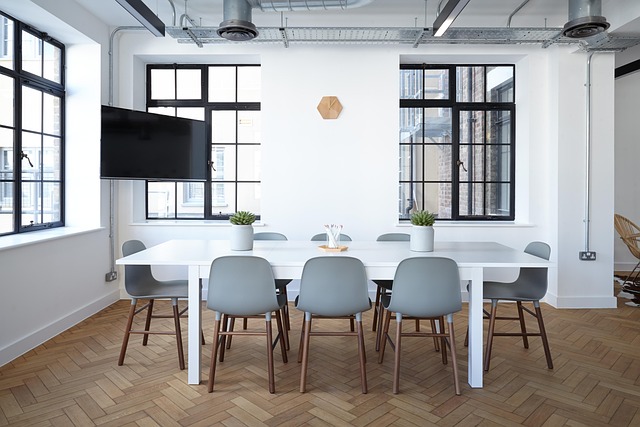
Creating cohesive style transitions within a space is an art, and one of the most powerful tools at your disposal is the strategic use of color and texture. These elements can weave together different design themes, creating a harmonious flow that enhances the overall aesthetic appeal of any interior. When considering seamless style transitions, especially in modest budget kitchen remodeling or real estate staging services near you, experts suggest focusing on natural materials for sustainable decor to achieve both elegance and environmental responsibility.
Color plays a pivotal role in setting the tone and atmosphere of a room. Choosing a color palette that extends across various elements ensures visual continuity. For example, incorporating earthy tones like muted greens, warm browns, and neutrals can create a soothing ambiance while allowing for creative accents. This approach is particularly effective when staging a property to appeal to a wide range of potential buyers. By maintaining a cohesive color story from room to room, you guide the viewer’s eye seamlessly through the space, fostering a sense of calm and connection.
Texture adds another layer of depth and interest to your design, further enhancing cohesion. Natural materials such as wood, stone, jute, or linen offer a rich tapestry of tactile experiences. For instance, a kitchen with wooden cabinets, marble countertops, and woven rugs underfoot creates a harmonious, inviting space. This integration of textures avoids a monotonous visual experience often associated with poorly planned transitions. When combined with thoughtful color choices, these natural materials can elevate any interior to a sophisticated, eco-conscious standard, ensuring your space stands out in the competitive real estate market.
Incorporating select interior mods that embrace color and texture naturally is both cost-effective and environmentally friendly. For example, repainting existing furniture or walls with earthy tones, adding woven textiles as accents, or choosing flooring materials like bamboo or reclaimed wood can significantly enhance a space’s cohesiveness without breaking the bank. These simple yet effective changes can make a world of difference in how a property is perceived, ensuring it resonates with potential buyers or tenants who appreciate both style and sustainability.
Mastering Transition with Furniture Placement & Accessorizing
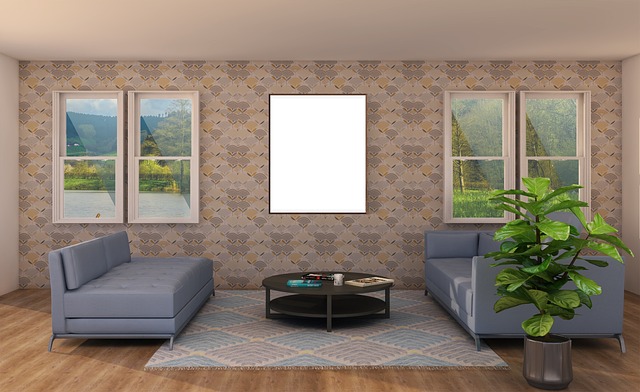
Seamless style transitions are more than just aesthetic choices; they define a space’s functionality and emotional appeal. When considering how to achieve this, furniture placement and accessorizing offer powerful tools for creating cohesive, captivating interiors. An expert in interior design understands that every piece should tell a story while harmoniously fitting into the narrative of the room.
Mastering transition through these elements involves a delicate balance between creativity and practicality. For instance, positioning seating areas near windows can foster a connection with nature, enhancing relaxation and conversation. Similarly, strategic placement of side tables or console tables acts as visual anchors, grounding the space while providing functional surfaces for displays or storage. The key lies in Select Interior Mods naturally—choosing pieces that seamlessly integrate with existing furniture, creating a cohesive whole rather than jarring contrasts.
Upcycling old furniture techniques not only adds character but also aligns with sustainable design principles. Transforming a vintage dresser into a media console or repurposing an old door as a headboard can deliver both distinctive style and cost savings. Cost-effective kitchen remodel ideas, for example, often involve upgrading existing cabinets rather than replacing them entirely, pairing this with modern hardware to achieve a refreshed, contemporary look. Modern interior remodels pictures from around the globe consistently showcase how creative reconfiguration and accessorizing can dramatically alter a space without breaking the bank.
By combining thoughtful layout decisions with carefully curated accessories, any interior can undergo a remarkable metamorphosis. This approach ensures that transitions are not merely superficial but deeply embedded in the design’s DNA, creating spaces that feel both welcoming and timeless. Whether through vintage finds or contemporary purchases, the right balance of furniture placement and accessorizing has the power to transform a room from merely functional to truly exceptional.
Seamless style transitions transform a space from merely functional to truly harmonious. By understanding the fundamentals of transition, carefully selecting complementary interior design mods, masterfully blending color and texture, and strategically arranging furniture and accessories, any interior can achieve a cohesive, elegant look. The key lies in selecting Interior Mods that naturally flow together, creating a visual symphony that enhances the overall aesthetic. This article has equipped readers with essential tools and insights to navigate this process, ensuring their spaces not only look beautiful but also feel inviting and cohesive.